Coffee Truck Operating Costs: What It Really Costs to Run a Mobile Coffee Business
Your Coffee Truck Operational Costs
Starting a coffee truck can be one of the most affordable ways to enter the coffee industry, but purchasing your truck is only the beginning. Once you’re ready to serve customers, you’ll face ongoing operating expenses that directly affect your profitability.
From inventory and milk to fuel, insurance, commissary fees, and marketing, every dollar you spend impacts your bottom line. Understanding these recurring costs before you open will help you create a realistic operating budget, price your menu appropriately, and avoid financial surprises.
In today’s business environment, many entrepreneurs choose a coffee truck because it offers lower startup costs, greater flexibility, and less financial risk than opening a traditional coffee shop. However, long-term success still depends on careful budgeting, thoughtful planning, and managing your operating expenses.
In this article, we’ll break down the most common coffee truck operational costs so you can better estimate your monthly expenses and build a stronger, more profitable mobile coffee business.
Your Mobile Coffee Truck Budget
One of the biggest advantages of starting a coffee truck or mobile coffee trailer is the ability to operate with lower overhead than a traditional brick-and-mortar coffee shop. While every business is different, a mobile coffee business often gives you greater flexibility and more control over your expenses.
A coffee truck can help you:
- Reduce occupancy costs by avoiding expensive retail rent and long-term leases.
- Take your business directly to your customers instead of relying on foot traffic in a single location.
- Choose higher-revenue opportunities by serving festivals, private events, office parks, farmers markets, and other profitable venues.
These advantages can improve your earning potential, but they don’t eliminate the ongoing costs of running your business. Every coffee truck owner must budget for inventory, fuel, insurance, labor, commissary fees, marketing, and other recurring expenses.
Understanding these operational costs before you launch will help you create a realistic budget, manage your cash flow, and build a more profitable mobile coffee business.
Your Mobile Coffee Truck Budget
The Overall Budgetary Items to Consider
One of the most common questions aspiring coffee truck owners ask is, “How much does a coffee truck cost to operate?” The answer depends on your business model, schedule, menu, and location, but every mobile coffee business has recurring expenses that must be covered before you can turn a profit.
It’s important to distinguish between startup costs and operational costs. Startup costs include purchasing your coffee truck or trailer, installing equipment, obtaining permits, and preparing your business for opening day. These are generally one-time investments.
Operational costs, on the other hand, are the ongoing expenses required to keep your coffee truck running every week and every month. These include inventory, milk, cups and lids, fuel, insurance, labor, commissary fees, marketing, and other recurring business expenses.
In this article, we’ll focus on the costs you’ll continue to pay after your coffee truck is open for business. Understanding these expenses will help you build a realistic operating budget, calculate your break-even point, and better manage your cash flow as your business grows.
Budget Items for a Mobile Coffee Business
Inventory Costs
Inventory is one of the largest ongoing expenses for any coffee truck. Every latte, drip coffee, pastry, or snack you sell requires ingredients that must be purchased, tracked, and replaced.
Your inventory may include:
- Coffee beans (regular and decaf)
- Milk and dairy alternatives
- Flavored syrups
- Tea and specialty beverages
- Pastries and food items
- Sugar, sweeteners, and condiments
These expenses are commonly referred to as your Cost of Goods Sold (COGS) and have a direct impact on your profitability.
How much inventory you’ll need depends on your menu, sales volume, and how often you operate each week. During your first few months in business, expect to adjust your purchasing habits as you learn your customers’ buying patterns.
Ordering too much inventory can lead to unnecessary waste, while ordering too little may result in lost sales. Finding the right balance takes experience, so don’t be discouraged if it takes a little trial and error before you find your ideal inventory levels. Keeping a tight check on your inventory will help you avoid coffee truck phantom costs.
Milk and Milk Substitutes
Besides coffee itself, milk will likely become one of your largest recurring operating expenses. Because milk is perishable, managing your inventory carefully is essential to controlling costs.
Common milk options include:
- Whole Milk
- 2% Milk
- Nonfat Milk
- Oat Milk
- Almond Milk
- Soy Milk
- Coconut Milk
- Hemp Milk
While customers increasingly expect dairy-free alternatives, refrigeration space inside a coffee truck is limited. Offering every available option isn’t always practical—or profitable.
Instead, research your local market and begin with the milk choices your customers are most likely to order. Many coffee truck owners successfully operate with traditional dairy milk plus one or two popular alternatives, such as oat or almond milk.
As your business grows, you’ll better understand customer preferences and can expand your menu accordingly. Keeping milk waste to a minimum is one of the simplest ways to improve your profit margins.
Paper Coffee Cups, Lids, and Other Disposable Supplies
Unlike milk, paper cups, lids, sleeves, napkins, and straws have a long shelf life, making them easier to purchase in bulk when prices are favorable.
However, these supplies represent a recurring operating expense that many new owners underestimate. Every drink you serve requires packaging, and those costs add up over the course of a busy month.
Typical disposable supplies include:
- 8-ounce hot cups and lids
- 12-ounce hot cups and lids
- 16-ounce hot cups and lids
- Clear cold cups
- Cold drink lids
- Straws
- Cup sleeves
- Napkins
Offering too many cup sizes can significantly increase your upfront inventory investment. Instead, consider limiting your menu to two or three of your most popular drink sizes. Simplifying your packaging not only reduces costs but also makes ordering inventory and serving customers more efficient.
Over time, disposable supplies will become one of your predictable monthly operating expenses, so be sure to include them in your coffee truck budget.
For a detailed breakdown of coffee expenses and profit margins, be sure to read our article, How to Determine the Cost of Selling 100 Coffees.
Generator, Fuel, and Transportation Costs
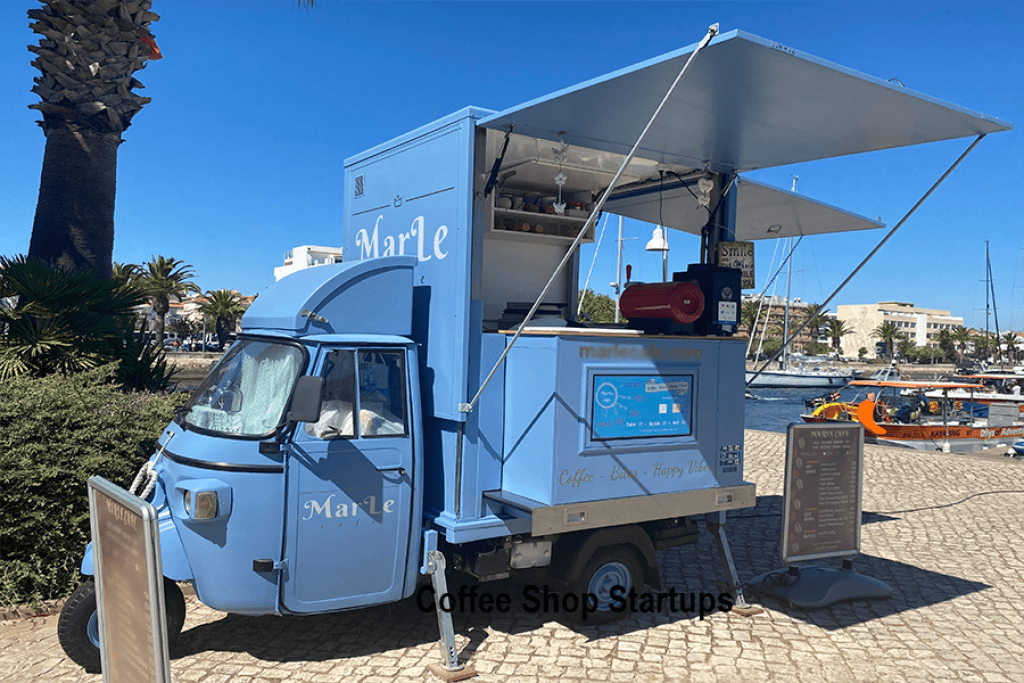
Your coffee truck can’t generate revenue without power. Whether you operate from a coffee truck or a mobile coffee trailer, you’ll need a reliable power source to run your espresso machine, grinders, refrigeration, water pumps, lighting, and other equipment.
Most mobile coffee businesses operate using either:
- A commercial generator
- A dedicated 50-amp electrical hookup provided by a venue or event organizer
If you rely on a generator, fuel will become one of your regular operating expenses. The amount of fuel you use depends on your equipment, generator size, and how many hours you operate each day. Larger espresso machines and high-powered equipment generally require more electricity, which means higher fuel costs.
Don’t forget to include the cost of transportation as well. Whether you’re towing a coffee trailer or driving a fully equipped coffee truck, you’ll need to budget for gasoline or diesel, vehicle maintenance, and the mileage required to travel between events and serving locations.
Example Generator Fuel Costs
Let’s assume your generator costs approximately $15 per day in fuel and you operate four days each week.
- 4 operating days × $15 = $60 per week
- $60 × 4 weeks = Approximately $240 per month
While your actual costs may be higher or lower, simple calculations like this can help you estimate your monthly operating budget before you open your business.
As your schedule grows and you begin serving more events, be sure to review your fuel and transportation expenses regularly. They may seem small individually, but together they can represent a significant portion of your monthly operating costs.
Labor Costs
One advantage of operating a coffee truck is that you can often run the business yourself, especially during the early stages. However, as your business grows—or when you begin serving busy festivals, catering events, or private functions—you may need additional help.
Hiring experienced baristas can improve customer service, reduce wait times, and increase your ability to serve more customers during peak periods. Of course, wages, payroll taxes, and tips should all be included in your operating budget.
Don’t forget to budget for yourself as well.
Many new business owners focus exclusively on covering expenses and overlook paying themselves. While you may choose to reinvest profits back into your business during the beginning, your long-term financial plan should include paying yourself a reasonable wage or owner’s draw.
Labor costs are one of the easiest expenses to underestimate, so planning for them in advance will help you build a healthier and more sustainable coffee business.
Mobile Coffee Business Insurance
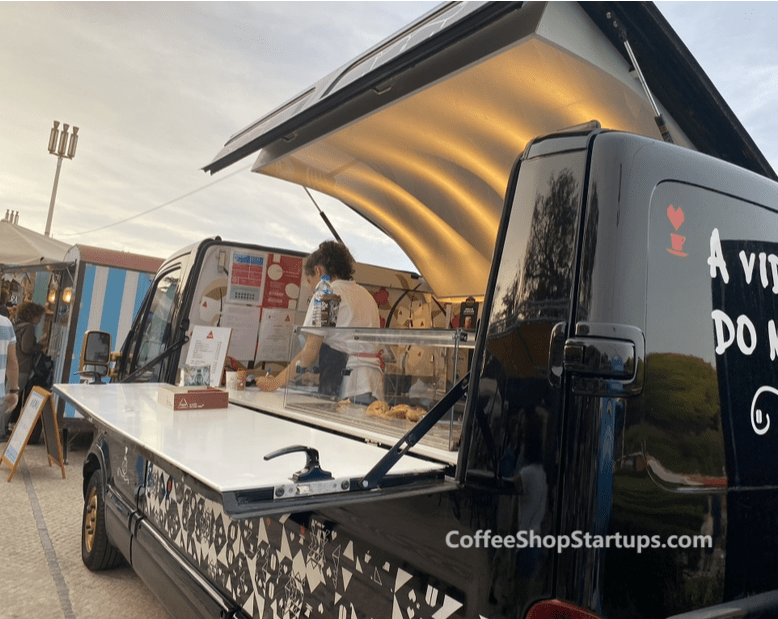
Insurance may not be the most exciting part of running a coffee truck, but it is one of the most important. After investing your time, savings, and hard work into building your business, you’ll want to protect that investment from unexpected events.
Insurance premiums should be included as part of your ongoing operating budget. While no one hopes to file a claim, having the right coverage can help protect your business, equipment, vehicle, and financial future.
Some of the most common insurance policies for a mobile coffee business include:
General Liability Insurance
General liability insurance is often required by event organizers, landlords, and local jurisdictions before you’re allowed to operate. This coverage helps protect your business if a customer is injured, property is damaged, or you face certain types of legal claims.
Because every policy is different, speak with a qualified insurance agent to determine the level of coverage that’s appropriate for your business.
Commercial Auto Insurance
If you operate a coffee truck, or tow a coffee trailer with a van or pickup, you may also need commercial auto insurance.
Unlike a standard personal auto policy, commercial coverage is designed for vehicles used for business purposes. It can help protect your business in the event of an accident, vehicle damage, theft, or other covered losses while you’re traveling to and from your serving locations.
Your insurance needs will vary depending on your business structure, vehicle, equipment, and where you operate. Before opening your mobile coffee business, take time to compare policies and work with an insurance professional who understands commercial food and beverage businesses.
Further Reading: How to Start a Mobile Coffee Business

Location Fees and Rental Costs
One of the greatest advantages of owning a coffee truck is the flexibility to serve customers in different locations. You might operate at office parks during the week, farmers markets on weekends, and private events throughout the year.
However, many of these locations come with a cost.
Depending on where you operate, you may be required to pay:
- Monthly site rental fees
- Festival or event vendor fees
- Farmers market booth fees
- Private venue rental charges
- Application or permitting fees
While these expenses can reduce your profit margin, they often provide access to larger crowds and greater sales opportunities. Before committing to any event or location, estimate your expected sales and compare them to the cost of participating.
Choosing profitable locations is just as important as controlling your operating expenses.
Choosing a Coffee Commissary
Depending on your local health department, operating from a licensed commissary may be a requirement for your mobile coffee business.
A commissary provides a commercial space where you can prepare food, wash utensils, refill fresh water, dispose of wastewater, and perform other tasks that may not be practical inside your coffee truck.
Many jurisdictions require an ongoing commissary agreement as part of maintaining your health permit.
Because commissary fees are typically paid every month, they should be included in your operating budget from the very beginning. Before signing an agreement, compare local commissaries and make sure they provide the services your business actually needs.
Coffee Training and Continuing Education
Investing in your knowledge is one of the best investments you can make in your business.
Whether you’re learning espresso preparation, customer service, menu development, or business management, training helps improve the quality of your products and the overall customer experience.
Training expenses may include:
- Barista training
- Coffee roasting workshops
- Business coaching or consulting
- Food safety certifications
- Staff training and onboarding
While training may not be a monthly expense, it’s worth including in your annual budget. The more knowledgeable you and your staff become, the more confident you’ll be serving customers and growing your business. One of the best investments you can make is hiring great baristas.
Coffee Business Marketing
Even the best coffee truck won’t succeed if people don’t know it exists.
Marketing is an ongoing operating expense—not a one-time project. Building your brand, attracting new customers, and encouraging repeat business all require consistent effort.
Your marketing budget may include:
- Logo and branding design
- Website hosting and maintenance
- Social media advertising
- Photography and video
- Business cards and printed materials
- Email marketing
- Customer loyalty programs
One advantage of operating a coffee truck is that every location introduces your business to a new audience. By combining excellent customer service with consistent marketing, you can build a loyal following that actively seeks out your coffee truck wherever you serve.
Remember, every customer who enjoys their experience has the potential to become a repeat customer—and one of your best sources of word-of-mouth marketing.
Mobile Coffee Truck Budget:
Summing Up Your Mobile Coffee Operational Costs
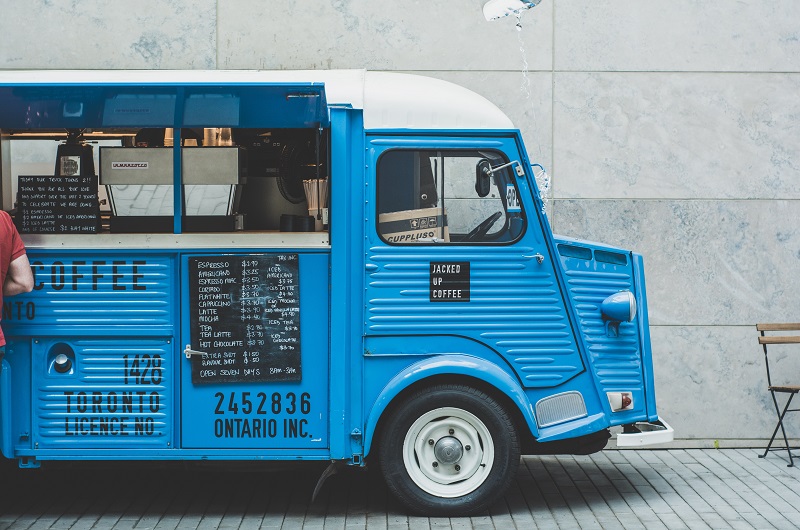
Starting a mobile coffee business is an exciting opportunity, but long-term success depends on more than serving great coffee. It requires understanding your ongoing operating expenses and managing them wisely.
From inventory and milk to fuel, insurance, commissary fees, marketing, and labor, every recurring expense affects your profitability. By estimating these costs before you open, you’ll be better prepared to manage your cash flow, price your menu appropriately, and build a sustainable business.
No two coffee truck businesses are exactly alike. Your operating costs will vary based on your location, menu, equipment, serving schedule, and business goals. The key is to develop a realistic budget, track your expenses regularly, and make adjustments as your business grows.
One of the best ways to organize your startup and operational expenses is with a detailed coffee shop business plan. A well-developed business plan allows you to estimate your costs, forecast revenue, calculate your break-even point, and make informed financial decisions before investing your hard-earned money.
Our Coffee Truck Startup Kit includes a comprehensive business plan template designed specifically for mobile coffee businesses. It will help you organize your budget, evaluate your startup costs, and create a financial roadmap for launching and growing your coffee truck with confidence.
Remember, successful coffee truck owners don’t simply hope to make money—they understand their numbers. The better you know your operating costs, the better prepared you’ll be to build a profitable and lasting mobile coffee business.
Order The Ultimate Mobile Coffee Business Guide
Affordable. Relevant. Comprehensive.


* The information on this page is for educational purposes only. We do not offer legal or investment advice.

Coffee Shop Startups
Based in Seattle, Washington, USA, Coffee Shop Startups is dedicated to providing you with the most relevant information on how to start a coffee shop business successfully. Over the last 11 years, we've helped thousands of aspiring coffee business owners worldwide. We harness the experience, wisdom, and knowledge of many successful coffee shop owners to help you increase your chances of success and profits. We support business owners who want to start a coffee business by providing them with valuable information on starting their coffee business successfully.